



Brand Guidelines: Keeping Advertising Consistent


- How Does a Brand Book Support Consistent Advertising?
- Build a Coherent Visual Identity
- Connect Digital Advertising with the Wider Experience
- How Can Consistency Support Customer Confidence?
- Keep the Message Coherent
- Reduce Avoidable Confusion
- Make Collaboration Easier for Creative and Marketing Teams
- Support Recognition as the Brand Grows
A brand book gives teams a shared reference for presenting the organisation. By setting out how visual assets and, where included, language should be used, it helps connect advertising across different channels. Its practical value is consistency: work created by different people should still feel recognisably part of the same brand.
How Does a Brand Book Support Consistent Advertising?
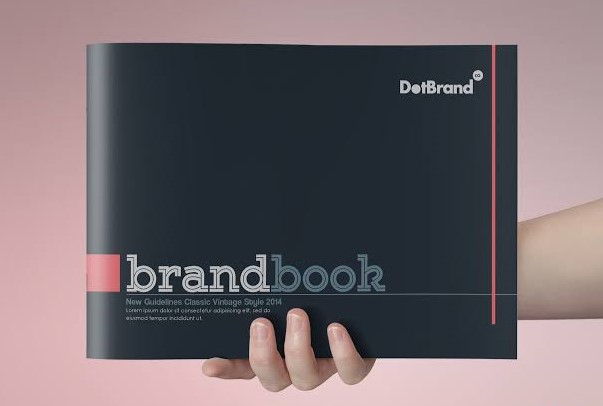
A brand book documents the identity and provides guidance for applying it. It commonly covers the logo, colours, typography, imagery and supporting graphics, and may also include tone of voice and messaging. Without an agreed reference, each designer or team can interpret the brand differently. Consider a business whose social posts, website and outdoor advertising use unrelated typefaces, palettes and visual styles. Each item may be attractive in isolation, but the overall presentation gives customers fewer cues to connect them.
Build a Coherent Visual Identity
A visual identity consists of assets that help people identify the organisation. The brand book explains how those assets can work together across applications.
It should clarify:
-
- Logo versions, clear space and minimum sizes
-
- Primary and supporting colours
-
- Approved typefaces and their roles
-
- The intended image style
-
- How supporting graphics should be used
Clear specifications help different advertising outputs feel connected without requiring every format to use an identical layout.
Familiar international brands such as Coca-Cola and Google illustrate how repeated assets can make different communications recognisable. The lesson is to create workable rules for the particular brand, rather than copy another organisation’s appearance.
Connect Digital Advertising with the Wider Experience
Brands communicate through websites, apps, social platforms, email and digital advertising. Each format has different demands, but customers may move between them within a single journey.
Guidelines help those encounters remain coherent. If every platform uses unrelated colours, voices or image styles, the organisation can become harder to recognise.
A person following a social advertisement to a website should find a recognisable continuation of the offer and presentation. Coherence can reduce uncertainty about whether they have arrived in the right place; the quality of the actual experience still determines whether confidence is justified.
For further design guidance, Adobe offers useful resources. Review the Brand Identity section on Adobe as a starting point, while evaluating individual recommendations against the needs of your brand.
How Can Consistency Support Customer Confidence?
Trust depends on what an organisation does as well as what it communicates. A brand book supports that relationship by making its presentation more dependable and easier to understand.
Familiar cues can help people connect experiences across touchpoints. They do not guarantee a purchase or loyalty, but they provide continuity that the business can reinforce through reliable service and delivery.
Keep the Message Coherent
A brand book can address language as well as graphics. Tone, vocabulary and message guidance help teams express the same character while adapting to different audiences and situations.
Customers can then encounter a recognisable voice across the website, advertising, email and social channels.
Reduce Avoidable Confusion
When each advertisement presents a different identity, audiences may struggle to connect it to the same organisation. A common reference helps prevent that fragmentation.
Make Collaboration Easier for Creative and Marketing Teams
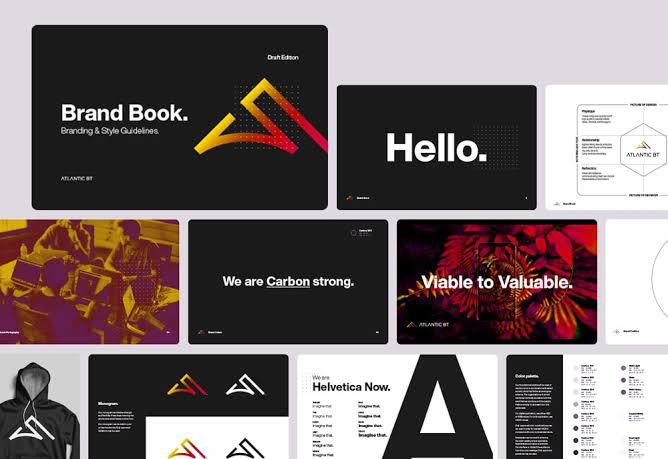
Many organisations work with several designers, internal departments or external agencies. Without an agreed framework, incompatible interpretations can create errors and repeated revisions.
A practical brand book gives those contributors a common starting point.
It helps establish:
-
- A clear direction for graphic designers
-
- Tone and language guidance for writers
-
- Shared visual standards for marketing teams
-
- A consistent basis for collaboration between departments
This can reduce avoidable revisions and make it easier to assess campaign work against agreed criteria.
To be useful, the document should be accessible, current and supported by the assets and templates people need to apply it.
Support Recognition as the Brand Grows
Repeated use of distinctive colours, graphic assets, typography and messages gives audiences more opportunities to recognise the brand. Consistency helps those encounters accumulate rather than compete with one another.
This becomes particularly relevant when a business expands, enters another market or runs campaigns through several partners. A brand book provides continuity, while guidance on appropriate variation allows the system to accommodate new formats and contexts.
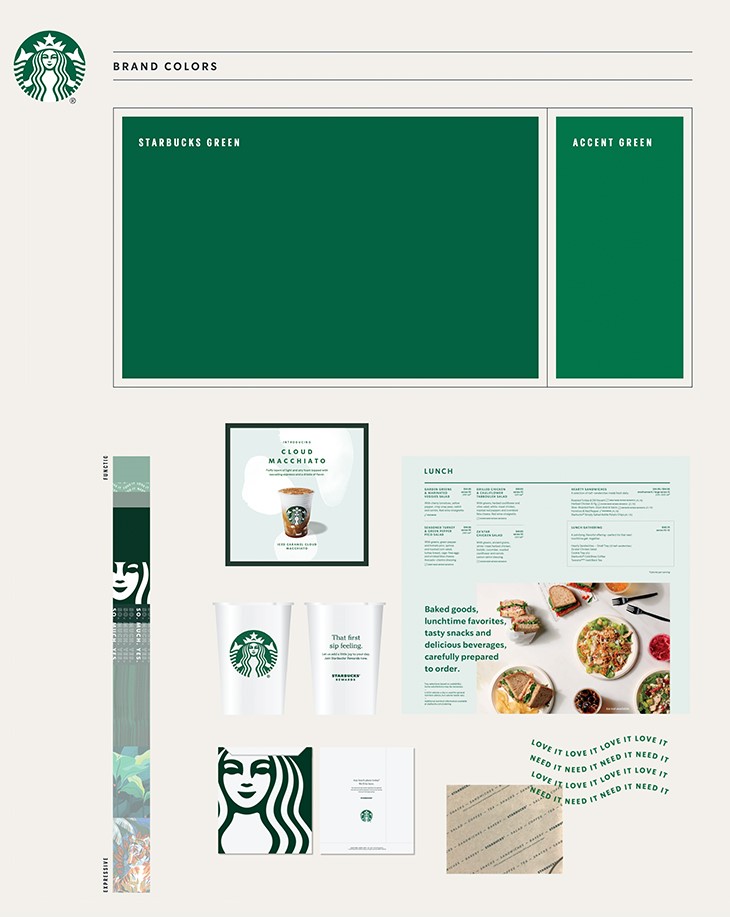
A useful brand book connects visual identity, language and execution. It gives teams a basis for producing advertising that feels coherent across channels.
Its value comes from practical use, rather than from the document’s length or appearance. Clear rules, realistic examples, accessible files and ongoing ownership help turn guidelines into a working part of brand management.

 Packaging Design Trends: Practical Choices for Brands
Comments
No comments yet. Share your thoughts.