



Packaging Design Trends: Practical Choices for Brands


- Why Packaging Design and Printing Choices Matter
- Minimalism: Make the Information Easier to Find
- Sustainability: Assess the Whole Packaging System
- Specify Materials for Their Actual Use
- Remove Unnecessary Materials
- Personalisation: Give the Variation a Purpose
- Connected Packaging: Design the Digital Follow-Through
- QR Codes and Connected Packaging
- Augmented Reality Experiences
- Print Quality Determines How the Design Arrives
Packaging is a practical product interface and a visible expression of the brand. Several approaches to its design and production deserve attention: clearer layouts, more considered use of materials, relevant personalisation, connected experiences and reliable print execution. The question for a brand is which of these approaches supports its product and customers, rather than which looks most fashionable.
Why Packaging Design and Printing Choices Matter
In a shop or an online product listing, packaging may be a customer’s first substantial encounter with the product. Its appearance can shape initial expectations before the contents have been experienced.
Thoughtful design can help a product register among alternatives, explain its offer and express its position. Following a trend alone, however, does not establish that the pack will perform better.
A package can carry the brand’s story and values through visible and tangible choices, alongside its fundamental responsibility to contain and protect the product.
Minimalism: Make the Information Easier to Find
A pared-back approach uses a restrained palette, fewer graphic elements and a clear composition. Its usefulness depends on what remains, particularly whether shoppers can still identify the brand and product.
When appropriate to the category, a simpler layout can support:
-
- A clearer main message
-
- An organised, contemporary presentation
-
- More legible product information
-
- A considered premium expression
This approach appears in categories such as beauty, technology and wellness. The value lies in directing attention, rather than treating empty space or a limited palette as proof of quality.
For further design resources, Adobe offers material worth exploring. A general design reference should inform the brief rather than serve as evidence that one style is universally more effective.
Sustainability: Assess the Whole Packaging System
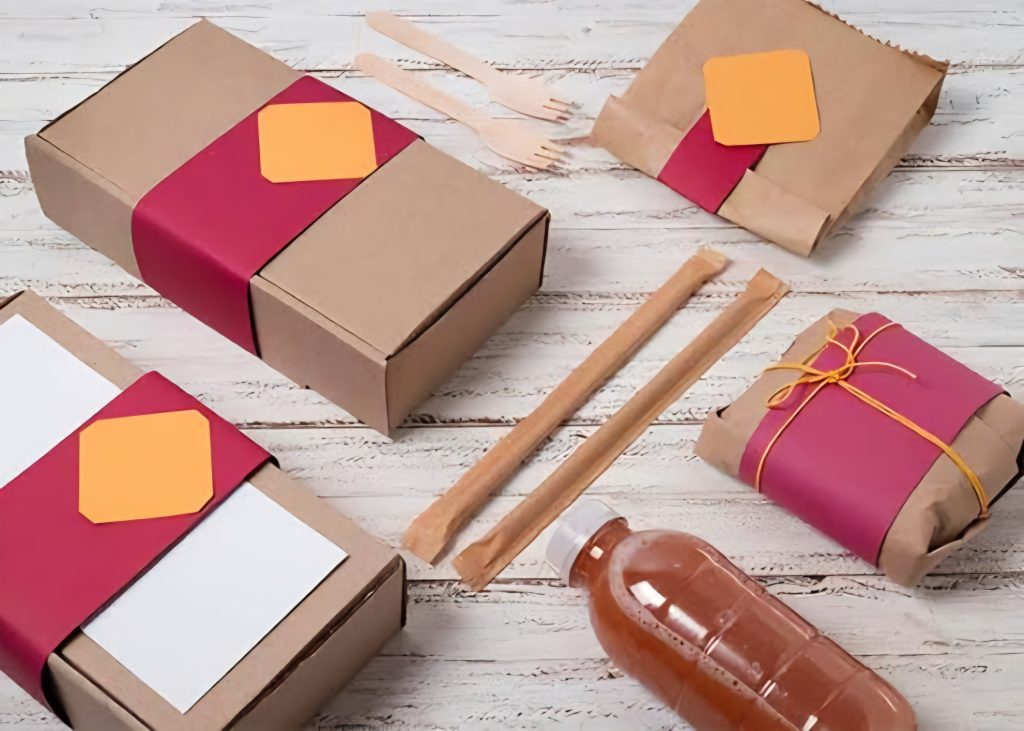
Environmental considerations influence decisions about packaging materials, weight, construction and disposal. A responsible design brief needs to connect those choices to the product’s protection requirements and the recovery systems available in the intended market.
Recycled content, recyclability, reuse and reduced material use are different objectives. The right choice depends on the application; a green appearance is not evidence of a lower environmental impact.
Specify Materials for Their Actual Use
Recycled paper, alternative inks and compostable or biodegradable materials can be options, but they need appropriate performance checks. Claims about disposal should explain the conditions and facilities required, rather than imply that every material will break down harmlessly in any setting.
Remove Unnecessary Materials
Reducing excess volume or redundant layers can lower material use and may reduce production or transport costs. Avoid removing protection that the product genuinely needs: damage and waste can undermine the intended benefit.
Communicate environmental choices accurately and specifically. Customers need usable information about the pack, rather than broad claims that cannot be substantiated.
Personalisation: Give the Variation a Purpose
Personalisation can turn a standard package into a more relevant encounter. It is most useful when the variation serves a customer occasion or a clear campaign idea.
Possible applications include:
– Printing a customer’s name
– Creating a limited-edition series
– Including a relevant message inside the pack
– Adapting artwork for a particular occasion
These approaches can make an interaction feel more personal, provided they fit the brand and are practical to produce.
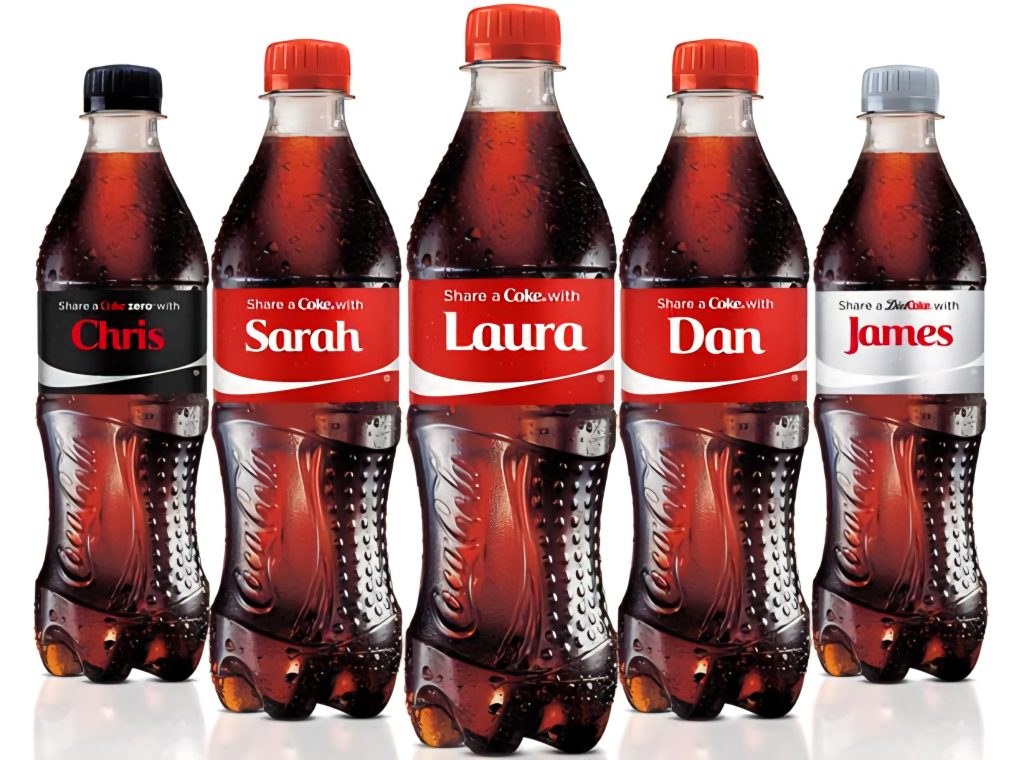
The familiar name-on-bottle example associated with Coca-Cola illustrates the idea. A brand should still test whether personalisation adds value in its own category rather than assume the same approach will deliver the same results.
Connected Packaging: Design the Digital Follow-Through
Digital elements can connect a physical pack to information or services that do not fit comfortably on its surface.
QR Codes and Connected Packaging
A QR code can lead to instructions, product information, tutorials or a relevant account of the brand. The destination should provide a clear benefit and remain usable after the campaign launch.
Augmented Reality Experiences
An augmented reality interaction can add a demonstrative or creative layer when a customer scans the pack. It needs a reason to exist beyond novelty, alongside a manageable access process.
These features make packaging an entry point to a digital experience. Their effectiveness depends on the usefulness and reliability of that experience.
For broader marketing resources, HubSpot provides further reading. Assess any proposed interaction against a specific customer task and a measurable objective rather than relying on general engagement claims.
Print Quality Determines How the Design Arrives
Artwork is only one stage of the result. Print and finishing need to reproduce the intended hierarchy, colour and detail on the chosen material.
Well-specified production can help:
– Preserve important detail
– Support an appropriate impression of quality
– Create a deliberate visual and tactile character
– Improve surface durability when suitable finishes are specified
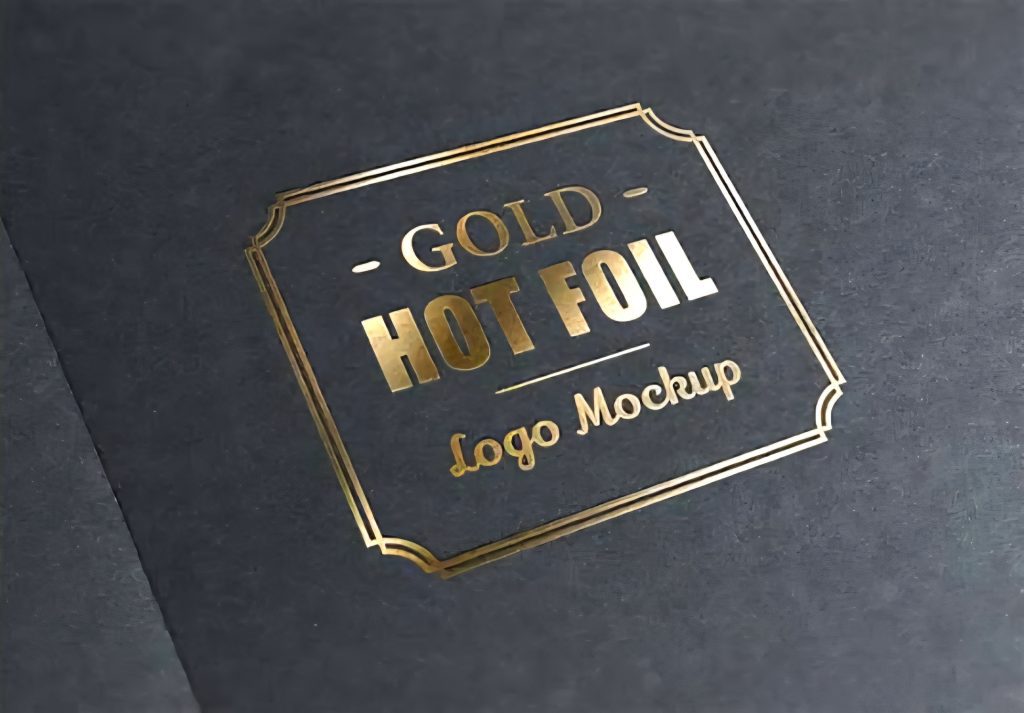
UV printing, foil, embossing and matte or gloss finishes offer different possibilities. Their suitability depends on the substrate, process, budget and design purpose.
Premium brands may use such techniques to reinforce a particular character, but an added finish is only useful when it contributes to the product and the wider identity.
Clearer layouts, material choices, personalisation, connected experiences and production quality all offer useful directions for packaging development. None should be adopted in isolation from brand strategy, product requirements and actual use.
Evaluate concepts at real size, in the selling environment and through appropriate production samples. A successful pack makes a product easier to understand and recognise while delivering the protection and experience customers need.

 Brand Guidelines: Keeping Advertising Consistent
Comments
No comments yet. Share your thoughts.